
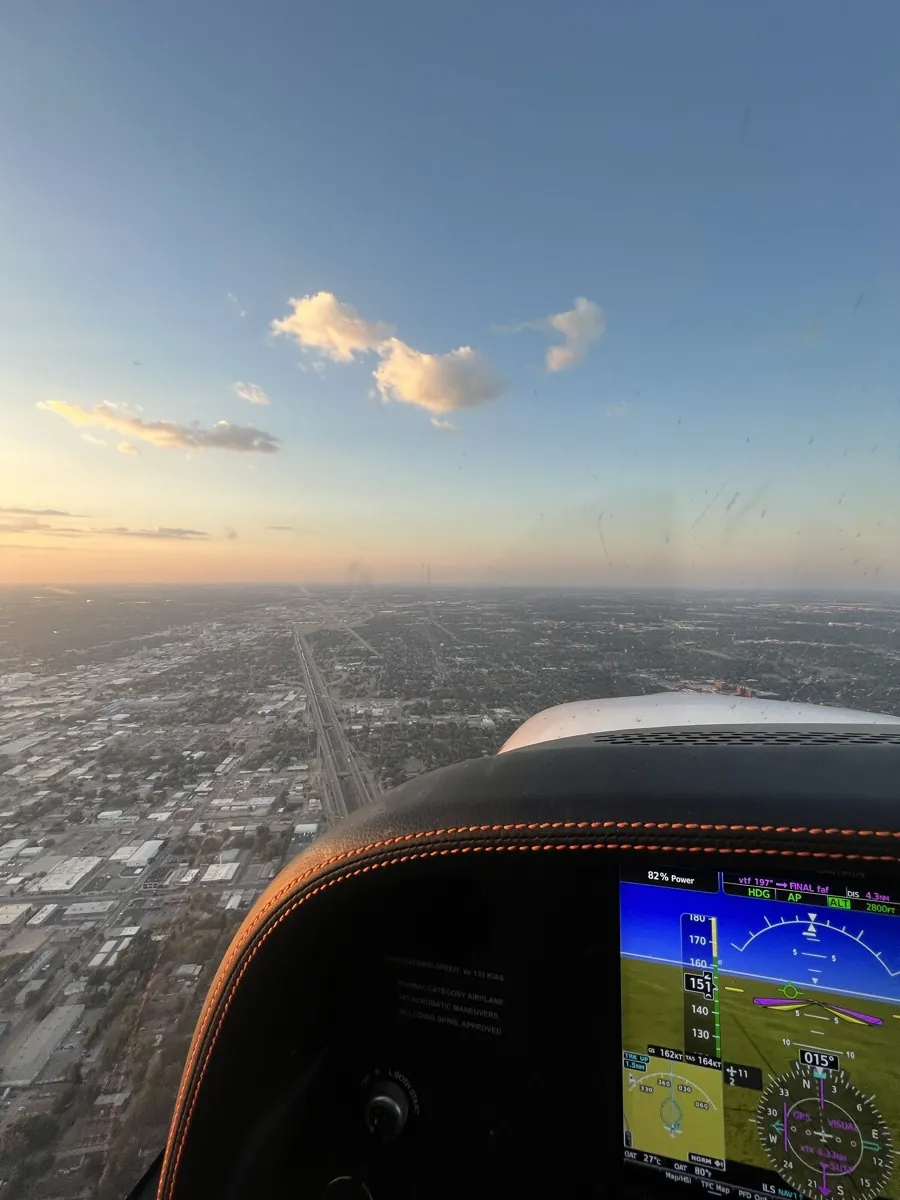
High school students are one of the groups this kind of training fits best. They are busy, their weeks change constantly, and a flight school’s fixed schedule rarely fits between classes, practice and a job. Part 61 training with one instructor does.
How old do you have to be?
There is no minimum age to take lessons with an instructor. The FAA limits are about flying alone:
- 16 to fly solo in an airplane, under 14 CFR 61.83
- 17 to earn a private pilot certificate, under 14 CFR 61.103
A student who starts before 16 can bank dual training, then solo on or after their sixteenth birthday and be ready for the checkride soon after turning 17.
What paperwork comes first?
In order:
- Proof of US citizenship. Federal TSA rules require it before any flight training. A US passport works on its own, or a birth certificate plus a government issued photo ID.
- A student pilot certificate. Free FAA paperwork, needed before the first solo.
- A third-class medical. From an FAA aviation medical examiner, also needed before the first solo. Getting it early means you know you qualify before much money goes in.
The FAA knowledge test comes next. It is multiple choice, the pass mark is 70 percent, and a pass is good for 24 months.
How do lessons fit around school?
After school, on weekends and through the summer. The same instructor every time means nothing is lost between exam weeks and game nights, and a busy stretch costs you a pause, not a restart.
The one thing worth protecting is frequency. Flying about twice a week, most students finish a private certificate in five to seven months. Summer is the natural time to push.
What does it cost?
Instruction is $75 an hour in the air and $50 on the ground. The RV-12iS trainers rent for $165 an hour with fuel included, so an hour of dual is $240. Every airplane is on the fleet page, the full path is on the learn to fly page, and who it’s for explains why busy schedules are the point.