

Hicks Airfield
North of Fort Worth, off Highway 287. The shorter drive from north and west Fort Worth, Saginaw and Haslet.
Three steps, and the first one is a phone call. Nothing to buy, no package to sign, and one short document check before your first hour in the airplane.
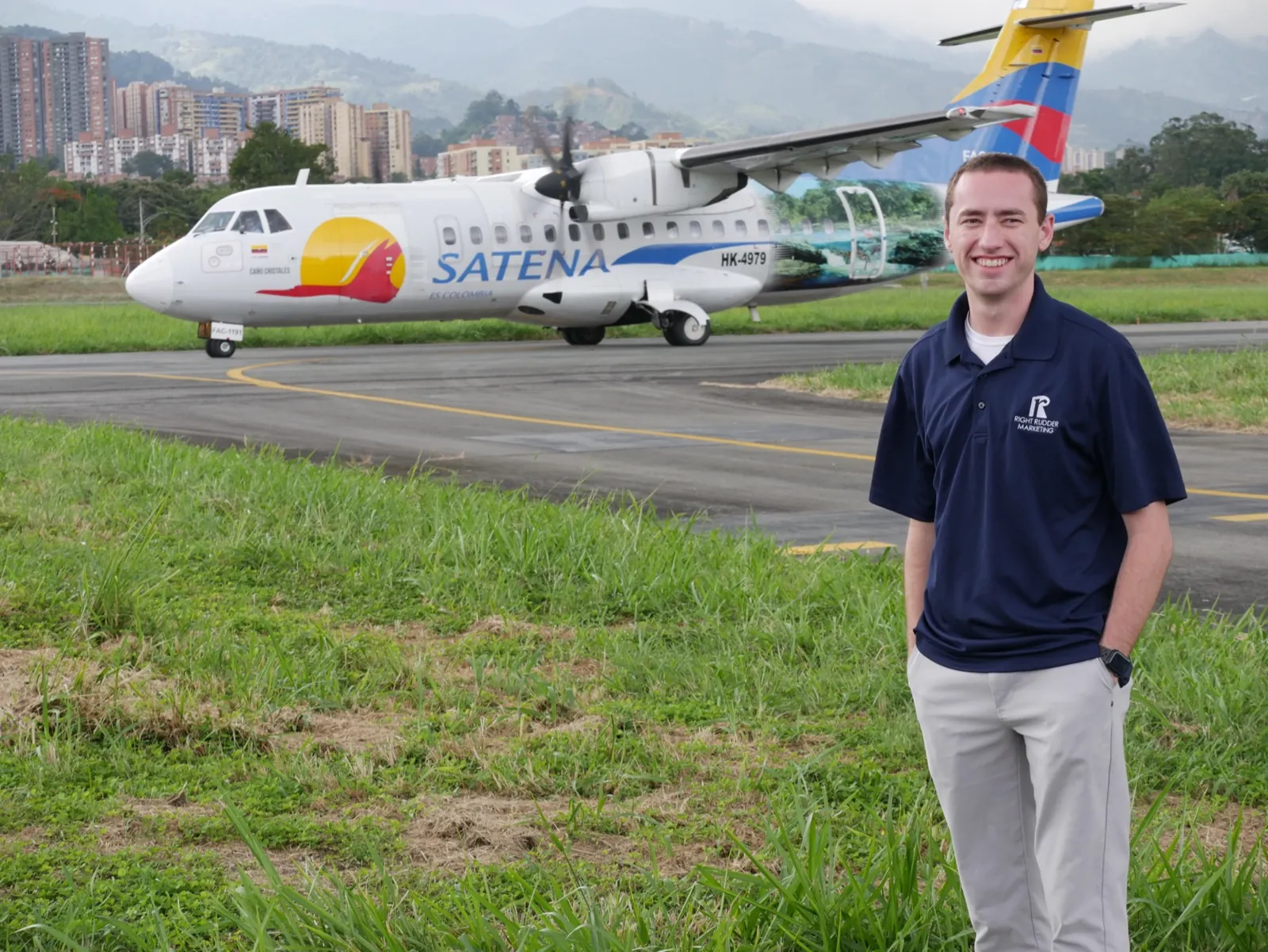 Step one is a call. I answer it.
That is the whole process. No enrollment, no intro package, no deposit.
Send a note or give me a call, and tell me where you are starting from, where you live or work, and what you want out of flying. No charge and no pitch.
We find times that fit your week and put your first flight on the calendar, at whichever field is your shortest drive.
Bring proof of US citizenship, climb into the left seat, and start flying. We figure out the rest together.
Plan on about two hours at the airport. It is lesson one, not a ride, and it goes in your logbook. There is more on the discovery flight page.
We do the preflight inspection together and I explain what every part of it is for. This is where most people stop being nervous, because the process turns out to be methodical rather than daring.
The left seat is the pilot seat and it is yours. I handle the radio and the takeoff, because both are busy and neither is the point today.
Level flight, turns, climbs, descents, and the metroplex from a few thousand feet. I take it back for the landing.
I sign your logbook, and we go through what a real path looks like on your calendar. If the honest answer is that this is not the right year, I will say so.
You need at least a third-class medical and a free student pilot certificate before you fly solo, so we line both up early and you know you qualify before you spend real money. The FAA knowledge test goes early too: multiple choice, 70 percent to pass, good for 24 months.
Frequency is the biggest lever on time and cost. Twice a week, most people finish in five to seven months. The full order is on the learn to fly page.
Most lessons start at one of two home fields on the north side of Fort Worth. Each has a Van's RV-12 based there. The airplanes page has the rates and the airports page has every field.
North of Fort Worth, off Highway 287. The shorter drive from north and west Fort Worth, Saginaw and Haslet.
Roanoke. The shorter drive from Keller, Trophy Club, Southlake, Argyle and Flower Mound.
The things people ask before their first call. If yours is not here, ask me directly.
A phone call, then a discovery flight. The call takes a few minutes: where you live or work, what you want out of flying, and which field is your shortest drive. There is no charge and no pitch. The discovery flight comes next, and it is simply lesson one. You sit in the left seat, I handle the radio and the takeoff, and once we are clear of the airport you fly the airplane yourself for most of the hour: level flight, turns, climbs and descents. I take it back for the landing. Afterward I sign your logbook, because the hour counts as dual instruction received toward your certificate, and we talk honestly about what a realistic path looks like against your calendar. If the honest answer is that this is not the right year for you, I will say so. Nothing obligates you to book a second lesson.
Proof that you are a US citizen, checked before we fly. That means a valid US passport, or a birth certificate plus a government issued photo ID, or a Certificate of Naturalization or Citizenship plus a photo ID. I look at the documents, record that I verified them, and do not keep copies. Beyond that, wear normal clothes and sunglasses and plan on about two hours at the airport for one hour in the air. Before you fly solo you also need a student pilot certificate, which is free FAA paperwork, and at least a third-class medical from an Aviation Medical Examiner. We line both up early so you know you qualify before you spend real money. The FAA knowledge test is the other early step. It is multiple choice with a 70 percent pass mark, and a pass is good for 24 months.
Start with the two prices I set: 75 dollars an hour for flight instruction and 50 dollars an hour for ground instruction, the same at every field, with nothing billed for preflight or postflight. The airplane depends on which one you fly: 165 dollars an hour wet, with fuel included, in any of the Rotax trainers, and 415 dollars an hour wet in the Tecnam twin. One hour of dual in an RV-12 therefore comes to 240 dollars. Further out, a private certificate also involves fees paid to other people: the testing center for the knowledge test, an FAA designated examiner for the checkride, and an Aviation Medical Examiner for your medical. The biggest lever on the total is how often you fly. Flying regularly means you pay to learn things once instead of relearning them after every gap, and every airplane is on the fleet page.
The first step is a quick call. Whether you fly twice a month or have never touched the controls, you will get pointed to the right place to start. You will always talk to a real person, never a front desk.
Call or text (806) 240-5310 Email [email protected]