
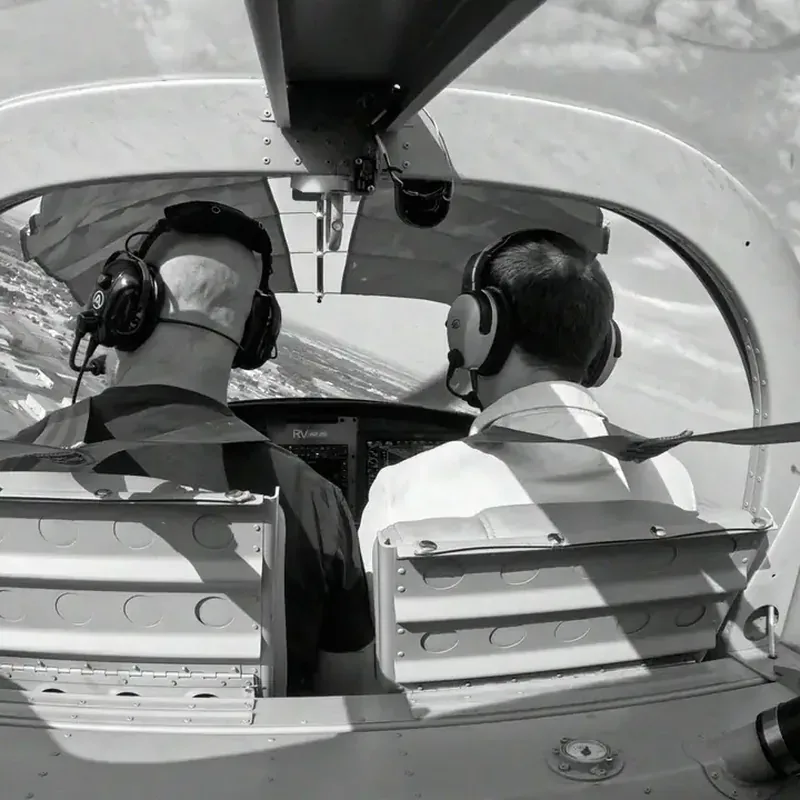
For anyone who has put it off long enough.
You do not need a cadet program or a uniform. You need someone who will teach you on your terms, at your pace, and treat your time like it matters.
Which one are you?
Most people who call me are one of these. Pick yours and it takes you to the page written for exactly where you are.
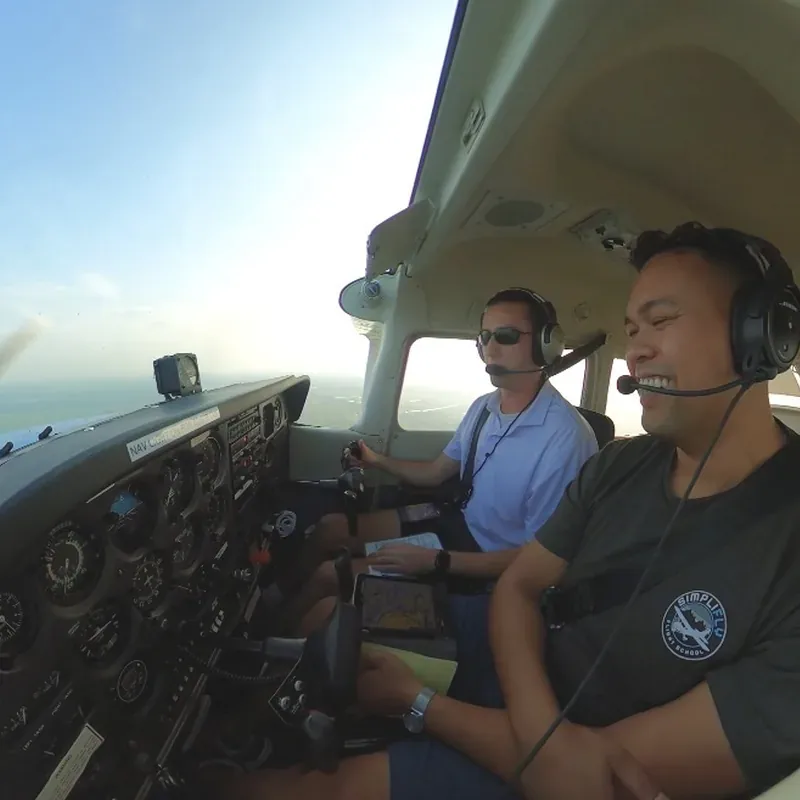
You run a business.
Airline schedules never line up with yours, and your week moves too much for a fixed class schedule. Part 61 bends around it: early, late, weekends.
Start with one hour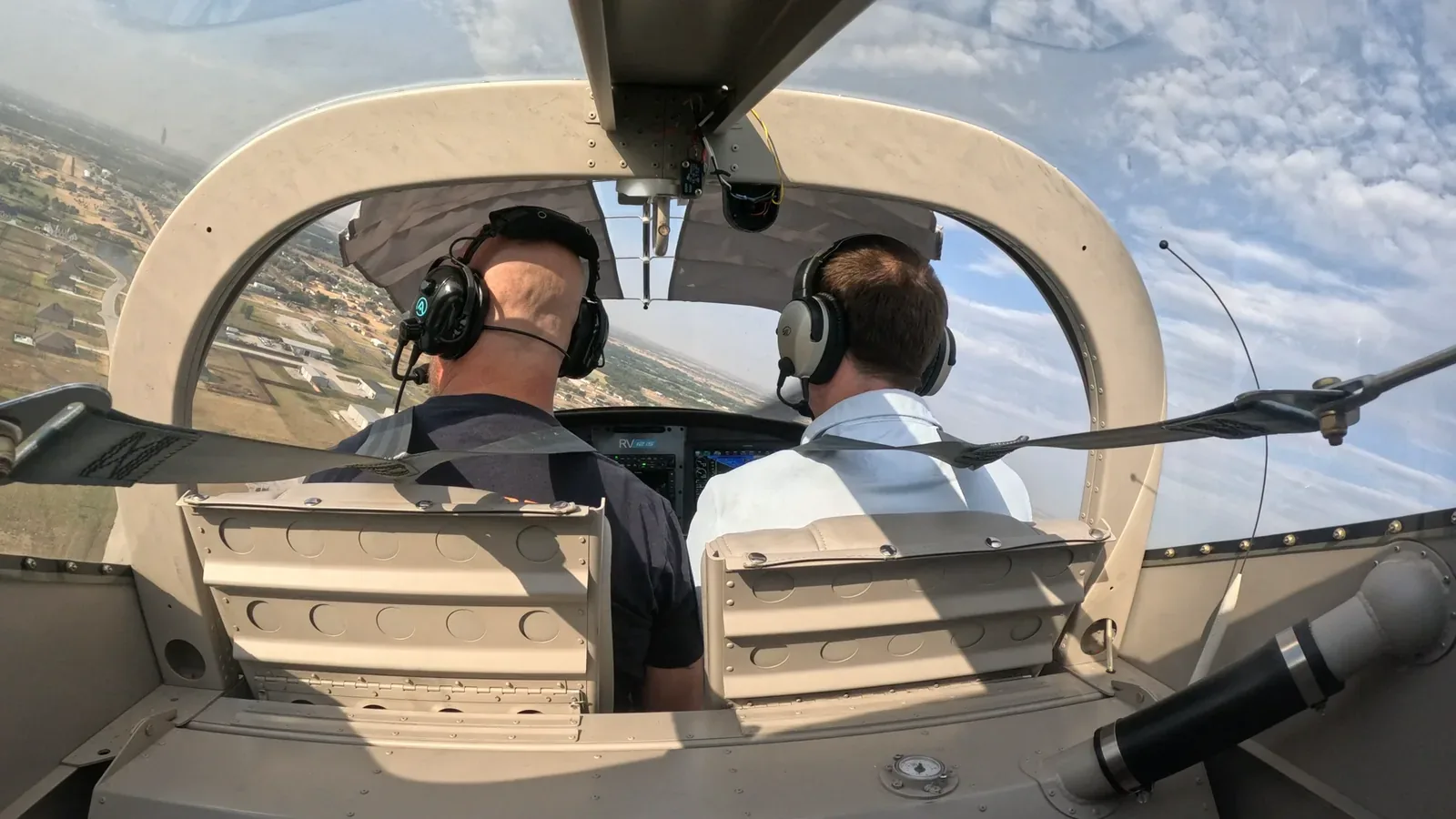
Your calendar is never the same twice.
Travel, shifts, kids. You fly when the week has room, with the same instructor every time, so a busy stretch costs you a pause, not a restart.
How it starts
You are in high school, and busy.
Lessons after school, on weekends and through the summer. Solo at 16, private certificate at 17, and nothing lost between exam weeks and game nights.
The private pilot path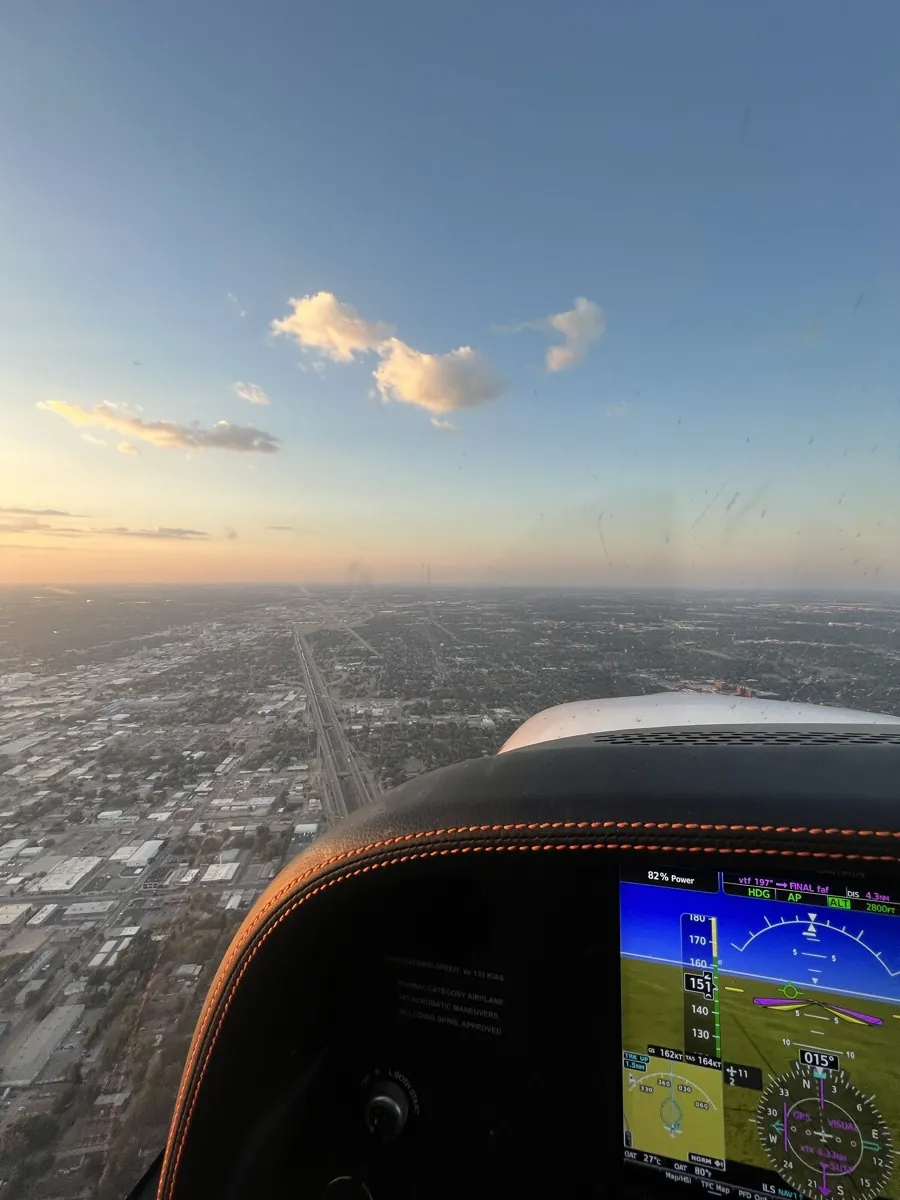
You have always wanted to fly.
No aviation background, no perfect eyesight and no math degree. Just a medical, some time you protect, and one instructor the whole way.
How learning to fly works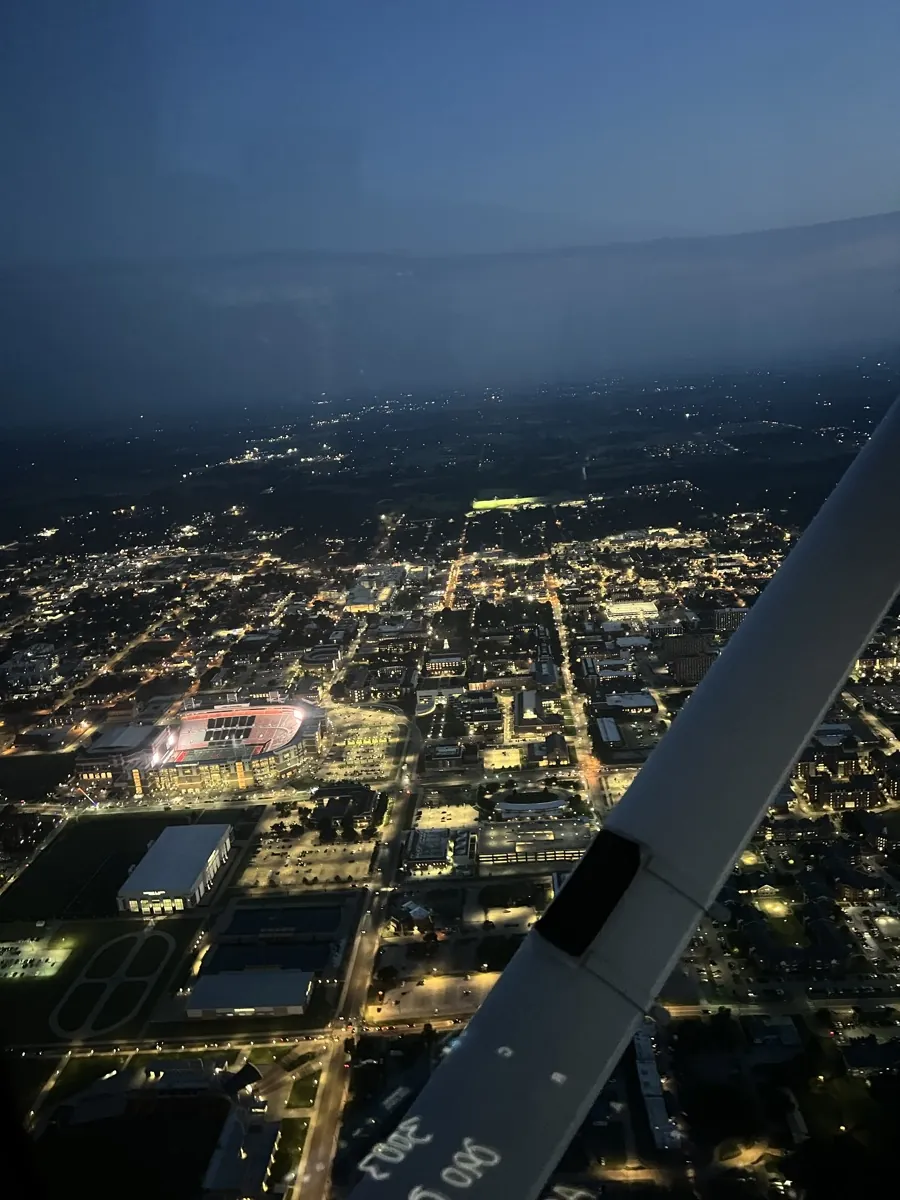
You have a certificate, and it has been a while.
Your certificate never expired. A flight review gets you legal again, there is no pass or fail, and most pilots are signed off in a day.
Get current again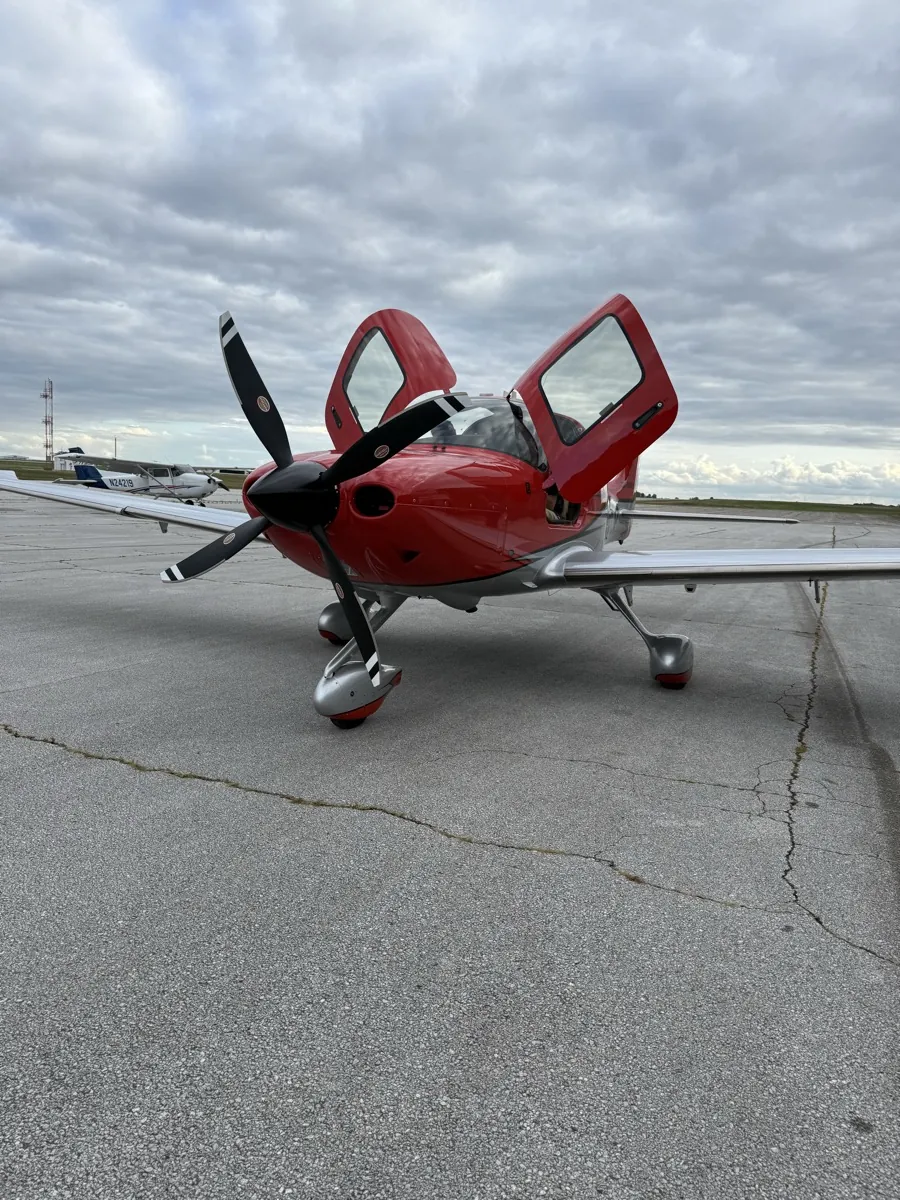
You want the next rating.
Instrument, commercial or multi-engine, one-on-one and on your schedule. Commercial training starts with an honest look at your logbook.
See what I teachWho is this built for?
Said plainly, so you can decide before you call.
People whose lives do not stop for flight training.
- Business owners who cannot hand their week to a flight school
- Professionals with schedules that change every week
- Busy high school students training around school, sports and jobs
- Anyone who wants the same instructor from first lesson to checkride
- Lapsed pilots getting current, and pilots adding a rating
A full-time, fixed-timeline career program.
- You want a full-time Part 141 academy that takes you from zero through your certificates in about eight months for a career change
- You need the 190 hour Part 141 commercial
- You are paying with VA education benefits or training on an M-1 visa
The full comparison is on the Part 61 vs Part 141 page.
How the ones who finish do it.
Whichever one you are, the people who make it to the checkride tend to do the same few things.
- They treat it like a board meeting. Two recurring slots a week, on the calendar, defended like anything else that matters. Flying whenever there is time means flying rarely.
- They get the medical first. Before the real money goes in, they know they qualify. It turns a question hanging over the whole thing into a box already checked.
- They write one line after every flight. One thing that went well, one thing to fix. Read it in the parking lot before the next lesson and you start ahead instead of catching up.
- They ask the dumb question out loud. Every pilot you have ever met asked it too. The only expensive question is the one you sit on for three lessons.

Common questions.
The things people ask before their first call. If yours is not here, ask me directly.
Should I learn to fly with Settle Aviation or go to a flight school?
It depends on how you want to train and why. Settle Aviation is built for people whose lives do not stop for flight training: business owners, professionals with calendars that change every week, and busy high school students fitting lessons around school and activities. You get one instructor from the first lesson to the checkride, lessons early, late or on weekends, and training at the field closest to you, usually Hicks Airfield or Northwest Regional in Roanoke. It is not the right fit if you want a full-time Part 141 academy that takes you from zero through your certificates in about eight months for a career change. That is a different product, built around a fixed syllabus, a daily schedule and a fleet sized for full-time students, and a structured academy does it better. If that is you, I will say so on the phone.
Can a high school student learn to fly with Settle Aviation?
Yes, and busy high school students are one of the groups this kind of training fits best. There is no minimum age to take lessons with an instructor. The FAA allows a student pilot to fly solo at 16 and to earn a private pilot certificate at 17, so a student who starts early can have much of the training done by then. Lessons are scheduled around school, practices and jobs: after school, on weekends and through the summer, with the same instructor every time so nothing is lost between busy weeks. Before any flight training, federal TSA rules require proof of US citizenship, such as a US passport or a birth certificate plus a photo ID. A third-class medical is needed before the first solo, and getting it early is worth doing. Call and we can plan a pace that works around the school year.
Can I learn to fly if I run a business and my schedule changes every week?
Yes, and that is most of who I teach. The obstacle for business owners is almost never ability. It is the calendar. Settle Aviation trains under Part 61, which means there is no fixed class schedule and no required order of stages, so lessons go early mornings, evenings and weekends as your week allows. If your travel is unpredictable, say so up front and we plan around the gaps instead of pretending they will not happen. The one thing worth protecting is frequency. Flying about twice a week, most people finish a private pilot certificate in five to seven months. Flying once every couple of weeks can stretch past a year, because part of each lesson goes to catching back up. You also pick the field closest to your home or office, which removes the drive that quietly ends most training.
Am I too old to start flight training?
Almost certainly not. The FAA sets a minimum age of 17 for a private pilot certificate and no maximum age at all. What actually matters is the medical. Before you fly solo you need at least a third-class FAA medical from an Aviation Medical Examiner, and the exam is close to a normal physical. Later, once you hold your certificate, BasicMed can be an alternative for many private flying situations. The practical advice is to get the medical early, before you put a lot of hours in, so you know you qualify before spending real money. If you have any medical history you are unsure about, talk to an examiner before you apply rather than after. Plenty of people start in their forties, fifties and sixties, often because this is the first time the business, the kids and the calendar have left room for it.
I have a pilot certificate but have not flown in years. Where do I start?
With a flight review. Your pilot certificate does not expire, so there is no checkride to retake. What lapses is your flight review, which 14 CFR 61.56 requires every 24 calendar months before you can act as pilot in command. The review is at least one hour of ground instruction on the current Part 91 rules and at least one hour of flight instruction, and there is no pass or fail. I correct and refresh, then endorse your logbook once you fly to the standard. Pilots who have been away three years or less usually finish in a single day. Longer gaps may take two or three sessions, and nobody is grading how much you forgot. If you want to carry passengers, add three takeoffs and landings within 90 days under 14 CFR 61.57, which usually fits on the same day or one short flight after it.